Class Schedule Design: A Strategic Tool for Time Management and Productivity
In today’s fast-paced world, effective time management is more than a convenience—it’s a necessity. Whether you’re an educator, a student, or a professional juggling multiple responsibilities, having a clear and organized way to track your commitments can significantly impact your productivity and overall well-being. Enter Class Schedule Design, a versatile and visually engaging solution that goes beyond the basic calendar format to support strategic planning, goal alignment, and creative expression.
The Strategic Value of Class Schedule Design
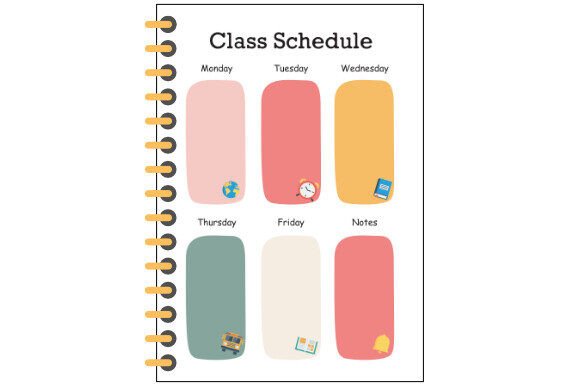
A well-structured Class Schedule Design isn’t just about listing events—it’s about creating a framework that aligns with your personal or organizational goals. By incorporating color-coded sections, visual cues, and customizable layouts, it transforms routine tasks into manageable and motivating activities. This design allows users to see their schedule at a glance, reducing cognitive load and increasing efficiency.
For educators, a Class Schedule Design can streamline lesson planning, ensure consistent pacing, and provide a clear overview of upcoming assessments. For students, it offers a structured approach to studying, helping them balance coursework, extracurriculars, and personal time. Even professionals can benefit from this tool by integrating work, meetings, and self-care into a cohesive daily plan.
Why Thoughtful Planning Matters
Strategic use of Class Schedule Design involves more than just filling in dates and times. It requires intentional planning that considers your priorities, available resources, and long-term objectives. A poorly designed schedule can lead to burnout, missed deadlines, and unmet goals. Conversely, a well-thought-out design can enhance focus, reduce stress, and improve outcomes.
Consider the example of a freelance graphic designer who uses a Class Schedule Design to allocate specific blocks of time for client work, creative brainstorming, and administrative tasks. By clearly defining these segments, they maintain a healthy work-life balance while ensuring consistent delivery of high-quality results.
Key Elements of a Functional Class Schedule Design
- Color Coding: Assign different colors to various types of activities (e.g., work, study, personal) to make patterns and trends immediately visible.
- Visual Hierarchy: Use fonts, spacing, and layout to highlight important events and minimize distractions.
- Customizability: Choose formats like SVG, PDF, or JPEG that suit your workflow—whether digital or printed.
- Flexibility: Allow room for adjustments as priorities shift without compromising the overall structure.
When and How to Use Class Schedule Design
The right time to implement a Class Schedule Design depends on your current workload and planning needs. If you’re preparing for an exam, launching a new project, or managing a busy season, a dedicated schedule can be invaluable. It’s also useful during transitions, such as switching careers, starting a new business, or adapting to remote work.
To approach Class Schedule Design effectively, start by identifying your core objectives. Are you aiming to increase productivity? Improve time management? Enhance communication with others? Once you have a clear purpose, tailor the design to meet those needs. For instance, a teacher might prioritize clarity and consistency, while a freelancer may value flexibility and creativity.
Practical Tips for Implementation
- Start Small: Begin with a weekly view rather than a monthly one to avoid overwhelm.
- Set Boundaries: Define start and end times for each activity to prevent overcommitment.
- Review Regularly: Adjust your schedule based on what’s working and what’s not.
- Use Technology: Leverage apps or tools that integrate with your Class Schedule Design for real-time updates and reminders.
- Engage Others: Share your schedule with colleagues, family members, or mentors to gain insights and stay accountable.
Risks of Using Class Schedule Design Without Clear Goals
While a Class Schedule Design can be incredibly beneficial, its effectiveness hinges on how it’s used. Without clear goals or context, it can become a source of confusion rather than clarity. A rigid schedule that doesn’t account for unexpected changes may lead to frustration and decreased motivation.
For example, a student who creates a detailed schedule without considering their energy levels or academic performance might find themselves overwhelmed when exams approach. Similarly, a professional who fills their day-to-day without leaving room for reflection or adaptation may miss opportunities for growth and innovation.
Therefore, it’s essential to align your Class Schedule Design with your broader strategy. Ask yourself: What are my short-term and long-term goals? How does this schedule support them? What adjustments should I make if things don’t go as planned?
Long-Term Benefits of Intentional Use
When used intentionally, a Class Schedule Design becomes a powerful tool for sustained success. It helps build habits, reinforces accountability, and fosters a sense of control over your time. Over time, this can lead to improved decision-making, better resource allocation, and enhanced outcomes in both personal and professional contexts.
For instance, a small business owner who consistently uses a Class Schedule Design to manage client interactions, marketing campaigns, and internal operations is likely to experience greater efficiency and customer satisfaction. The same principle applies to educators, students, and anyone looking to optimize their daily routines.
Designing for Long-Term Value
To maximize the long-term value of your Class Schedule Design, consider the following:
- Adaptability: Ensure your design can evolve as your needs change.
- Consistency: Maintain a regular review process to keep your schedule aligned with your goals.
- Integration: Combine your schedule with other tools like task managers, calendars, and communication platforms.
- Feedback: Solicit input from others to refine and improve your approach.
Ultimately, the key to success lies in using your Class Schedule Design as a strategic asset rather than a passive checklist. By thoughtfully planning, regularly reviewing, and adjusting as needed, you can create a system that supports your growth, enhances your productivity, and enriches your daily life.