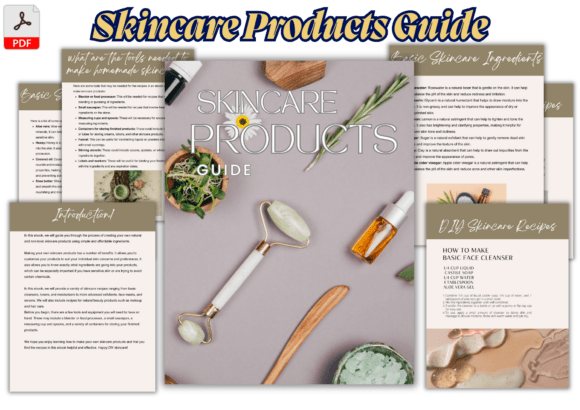
DIY Skincare Guide – 15 Pages
In the world of graphic design, visual communication is everything. The DIY Skincare Guide – 15 Pages offers more than just natural beauty recipes—it provides a foundation for creating visually compelling and user-friendly digital assets. Whether you're designing marketing materials, social media content, or brand identity elements, this guide serves as a versatile resource that aligns with modern design trends and principles.
Designing for Brand Identity
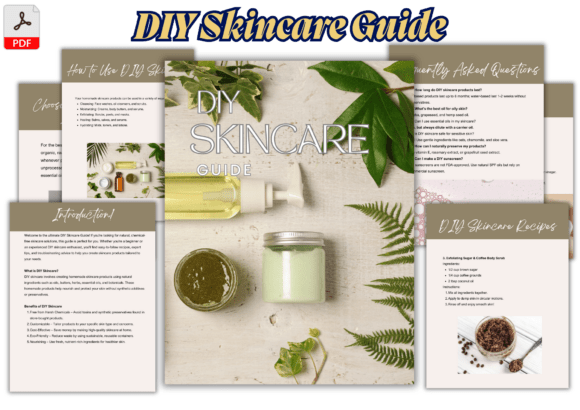
The DIY Skincare Guide – 15 Pages is not just a collection of skincare recipes; it's a print-ready document designed to reflect a cohesive brand identity. From typography choices to color palettes, every element contributes to a professional and aesthetically pleasing presentation. When designing for branding, consistency is key. Using a well-structured layout ensures that your visuals align with your brand’s message and values.
For instance, incorporating clean lines and minimalistic design elements can reinforce a modern, eco-conscious brand image. This guide exemplifies how thoughtful design choices can enhance both aesthetics and functionality, making it an ideal reference for designers working on packaging, promotional materials, or digital downloads.
Visual Communication in Marketing
Marketing materials often rely on clear, engaging visuals to capture attention. The DIY Skincare Guide – 15 Pages demonstrates how effective design can elevate the user experience. By using high-quality images, intuitive icons, and easy-to-read text, this guide ensures that information is accessible and visually appealing.
When designing for marketing purposes, consider the target audience and their expectations. A well-designed guide like this one can serve as a template for creating other creative assets, such as infographics, social media posts, or email newsletters. It also highlights the importance of visual hierarchy—guiding the viewer’s eye through the content in a logical and engaging way.
Typography and Color Choices
Typography plays a crucial role in the overall design of any document. The DIY Skincare Guide – 15 Pages uses a combination of fonts that are both readable and stylish, ensuring that the content remains engaging without sacrificing clarity. Choosing the right font can significantly impact the perception of a brand—clean, sans-serif fonts often convey professionalism, while handwritten styles may suggest creativity and approachability.
Color is another essential design element. The guide’s use of earthy tones and soft pastels reflects its natural and organic theme. These colors not only enhance readability but also create a calming and inviting atmosphere. When designing for branding or marketing, selecting a consistent color palette helps reinforce brand recognition and emotional connection with the audience.
Practical Applications in Design Projects
- Branding and Logo Design: Use the guide’s layout and style as inspiration for creating a cohesive brand identity.
- Social Media Content: Adapt the guide’s aesthetic for Instagram stories, Pinterest pins, or Facebook posts.
- Website and UI Design: Apply the same principles of simplicity and clarity to web interfaces.
- Packaging Design: Incorporate the guide’s visual elements into product packaging for a premium feel.
- Editorial Layouts: Use the guide’s structure as a model for creating informative and visually appealing content.
Whether you're a designer, marketer, or business owner, the DIY Skincare Guide – 15 Pages offers valuable insights into how design can enhance both function and form. By focusing on usability, visual appeal, and brand alignment, this guide proves that even the simplest designs can make a lasting impression.