Transform Your Story with the Narrative Therapy Journal
The Narrative Therapy Journal is more than just a collection of prompts—it's a powerful tool for self-exploration, healing, and personal growth. Designed to guide users through the process of examining their past, reshaping their present, and envisioning a more empowering future, this journal offers 230 thought-provoking questions that encourage introspection and storytelling. Whether you're a therapist, coach, or simply someone interested in self-discovery, the Narrative Therapy Journal can be an invaluable resource.
Why the Narrative Therapy Journal Stands Out
What sets the Narrative Therapy Journal apart from other self-help tools is its focus on narrative therapy—a therapeutic approach that helps individuals reframe their stories and reclaim their sense of identity. Unlike traditional methods that often center on diagnosing problems, narrative therapy encourages people to explore how they define themselves and the roles they play in their lives.
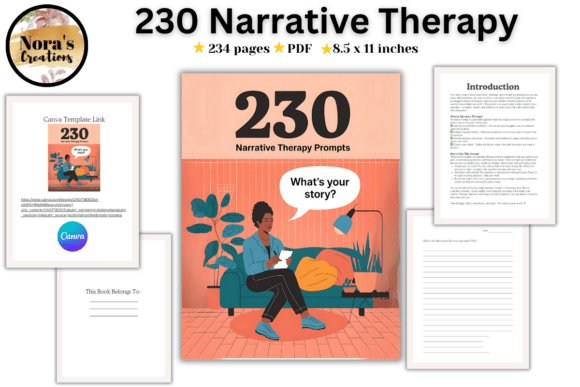
The Narrative Therapy Journal includes a printable PDF format, making it easy to use at home or on the go. It also features a Canva template link, allowing users to customize the journal to match their personal style or professional branding. This flexibility ensures that the journal can be adapted for both individual use and as a resource for professionals working with clients.
Common Mistakes When Using the Narrative Therapy Journal
While the Narrative Therapy Journal is a valuable tool, there are several common mistakes users may make when choosing or using it. One of the most frequent errors is not considering the journal’s purpose before purchasing. Some buyers may assume it’s a generic self-help book, but the Narrative Therapy Journal is specifically designed for guided reflection and storytelling, which requires a different mindset and approach.
Another mistake is failing to read the introduction and instructions carefully. The journal is structured to support a specific process, and understanding how to navigate it effectively can significantly enhance the experience. For example, some users might skip the cover page or the “This Book Belongs To” page, which are essential for personalizing the journal and creating a sense of ownership.
Additionally, some individuals may not take the time to fully engage with the prompts. The Narrative Therapy Journal is meant to be used regularly, with each session building on the previous one. Rushing through the prompts or skipping sections can limit the depth of self-reflection and reduce the overall effectiveness of the journal.
How These Mistakes Affect Results
Misunderstanding the purpose of the Narrative Therapy Journal can lead to frustration and a lack of progress. If users expect immediate results or feel the journal isn’t addressing their specific needs, they may lose motivation or abandon the practice altogether. Similarly, not following the structure can result in a disjointed experience, where the prompts don’t flow logically or fail to connect with the user’s deeper reflections.
Skipping key pages like the cover or the “This Book Belongs To” section can also diminish the personal connection to the journal. These elements are designed to help users create a meaningful relationship with the tool, which is crucial for long-term engagement and growth.
Finally, not taking the time to reflect deeply on the prompts can prevent users from uncovering insights that could lead to lasting change. The Narrative Therapy Journal is not just about answering questions—it’s about exploring the stories we tell ourselves and how those narratives shape our lives.
Practical Advice for Better Use
To get the most out of the Narrative Therapy Journal, start by reading the introduction and instructions thoroughly. Take time to personalize your journal, whether by writing your name on the cover or customizing the design using the Canva template. This small step can make a big difference in how you perceive and engage with the material.
Set aside dedicated time for journaling, ideally in a quiet and comfortable space. Aim for consistency rather than perfection—regular, short sessions are more effective than sporadic, lengthy ones. Consider setting a goal, such as completing one prompt per day or reflecting on a specific theme each week.
Don’t hesitate to revisit earlier prompts if new insights emerge. The beauty of narrative therapy is that it allows for ongoing exploration and growth. As you continue to engage with the journal, you may find that your perspectives evolve, leading to greater clarity and empowerment.
What to Check Before Using the Narrative Therapy Journal
Before diving into the Narrative Therapy Journal, consider the following: Is the journal’s purpose aligned with your goals? Do you have the time and commitment to engage with the prompts consistently? Are you open to the idea of exploring your own stories and how they influence your life?
Also, ensure that you’re using the correct version of the journal. There are multiple versions available, including the standard print version and customizable Canva templates. Choose the one that best fits your needs and preferences.
Lastly, check the quality of the printable PDF. A high-quality format ensures that the journal is easy to read and print, which is especially important if you plan to use it frequently or share it with others.
Conclusion
The Narrative Therapy Journal is a powerful tool for anyone looking to explore their story, reshape their narrative, and embrace self-discovery. By understanding its purpose, avoiding common mistakes, and engaging with the prompts mindfully, users can unlock valuable insights and foster meaningful growth. Whether you’re a professional or simply seeking personal development, the Narrative Therapy Journal offers a unique and transformative experience.